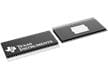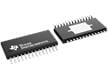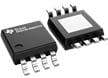



TPS92510DGQR

Texas Instruments
595-TPS92510DGQR
TPS92510DGQR

メーカ:

詳細:
LED照明ドライバIC 1.5-A Constnt Currnt Buck Converter A 59 A 595-TPS92510DGQ

ECADモデル:
無料のライブラリローダーをダウンロードし、お使いのECADツール用にこのファイルを変換してください。ECADモデルの詳細について

在庫: 1,309

在庫:
1,309 すぐに出荷可能
工場リードタイム:
6 週間 表示されている時間を超える工場生産予定時間。
最小: 1   倍数: 1
ユニット価格:
¥-
合計 額:
¥-
EST関税:
パッケージング:
完全リール(2500の倍数で注文)

価格 (JPY)

数量 ユニット価格
合計 額
カットテープ/ MouseReel™
¥324.8 ¥325
¥240 ¥2,400
¥219.2 ¥5,480
¥195.2 ¥19,520
¥184 ¥46,000
¥177.6 ¥88,800
¥171.2 ¥171,200
完全リール(2500の倍数で注文)
¥149.6 ¥374,000
† ¥750 MouseReel™の料金が追加され、ショッピングカートに加算されます。すべてのMouseReel™の注文は、キャンセルおよび返品できません。

他のパッケージ

メーカ 部品番号:
梱包:
Tube
在庫状況:
在庫
価格:
¥382
最低:
1

類似製品

Texas Instruments TPS92510DGQ
Texas Instruments
LED照明ドライバIC 1.5-A Constnt Currnt Buck Converter A 59 A 595-TPS92510DGQR

製品属性 属性値 属性の選択
Texas Instruments
製品カテゴリー: LED照明ドライバIC
RoHS:  
1 Output
Buck
1.5 A
MSOP-PowerPad-10
60 V
3.5 V
100 kHz to 2.5 MHz
Adjustable
TPS92510
- 40 C
+ 125 C
Adjustable Switch Frequency, Integrated MOSFET, PWM Dimming, Thermal Protection
Reel
Cut Tape
MouseReel
ブランド: Texas Instruments
調光: Analog, PWM
入力電圧: 3.5 V to 60 V
取り付け様式: SMD/SMT
チャンネル数: 1 Channel
製品タイプ: LED Lighting Drivers
工場パックの数量: 2500
サブカテゴリ: Driver ICs
供給電流 - 最大: 400 uA
単位重量: 23.500 mg
製品が見つかりました:
類似製品を表示するには、チェックボックスを1つ以上選択します
このカテゴリーの類似製品を表示するには、上記のチェックボックスを1つ以上選択してください。
選択した属性: 0

この機能はJavaScriptを有効にすることが必要です。

JPHTS:
854239099
CNHTS:
8542399000
CAHTS:
8542390000
USHTS:
8542390090
TARIC:
8542399000
MXHTS:
8542399901
ECCN:
EAR99

IS32LT3175N/P Single-Channel Linear LED Drivers

ISSI IS32LT3175N/P Single-Channel Linear LED Drivers come with fade in/out and PWM dimming. The regulators serve as a stand-alone LED driver-configurable from 20mA to 150mA with external resistors, no microcontroller is necessary. A logic level “courtesy light” signal from the PWM pin can be interfaced to precisely drive the LED channel. The IS32LT3175P obtains a positive polarity PWM signal. In addition, the IS32LT3175N obtains a negative polarity PWM signal. The regulator integrates a 63-step fade-in and fades out the algorithm (Gamma correction). This causes the output LED current to increasingly rise up to the full source value after the EN pin is pulsed.